OEM vs. ODM: which one is right for your wooden box project?
A practical breakdown of cost, lead time, IP ownership and minimum order quantities — plus the hybrid model that 60% of our buyers actually choose.
Most buyers learn the difference between OEM and ODM the hard way. Usually after a quote comes back at twice what they expected, or after a "stock" design turns out to be on a year-long backlog at the supplier, or after a "custom" design ends up looking nothing like the rendering.
The two terms are thrown around as if they are technical specifications. They are actually two ends of a sliding scale, and most projects live somewhere in the middle. Here is the practical version, written for buyers ordering wooden packaging in volumes between 500 and 50,000 units.
OEM = your design, our factory
Original Equipment Manufacturing means you bring the design and we produce it. "Bringing the design" can mean anything from a fully detailed CAD file with material specs and dimension drawings, to a sketch on a napkin, to a reference sample you bought from a competitor and want us to improve on.
In an OEM project, you own the IP. The design is yours. The molds, dies and jigs we make to produce your boxes are yours (or stay at our factory dedicated to your account, depending on contract terms). The look, feel and engineering of the product reflect your decisions, not ours.
OEM is right for you if any of these are true:
- You have an in-house designer or industrial design partner
- Your brand book has specific requirements that need to be honored
- Your product is differentiated by physical form, not just branding
- You are large enough to absorb tooling setup costs ($800-3,500 typical)
- You can wait 35-55 days for first production
ODM = our design, your branding
Original Design Manufacturing means you pick from our existing catalog of 500+ wooden box designs and we customize size, finish and branding for you. The base design is ours; the surface and the brand identity are yours.
ODM is dramatically faster and cheaper than OEM because the engineering work is already done. Tooling exists. The production line knows the product. We have probably made the same base design hundreds of times for other buyers, with different finishes and branding.
ODM is right for you if any of these are true:
- You need to launch quickly (under 30 days from order)
- Your volumes are moderate (500-5,000 units)
- Your differentiation comes from branding, copy and positioning rather than product form
- You do not have a designer on staff to spec a custom build
- You are testing a market and want to keep upfront cost low
Real cost and timeline comparison
For a typical 1,000-unit wooden gift box order, here is roughly how OEM and ODM compare:
| OEM | ODM | |
|---|---|---|
| Setup cost (tooling) | $800 - $3,500 | $0 - $300 |
| MOQ for sample run | 500 pcs | 100 pcs |
| MOQ for production | 500-1,000 pcs | 300+ pcs |
| Lead time (sampling) | 15-25 days | 5-10 days |
| Lead time (production) | 35-55 days | 18-28 days |
| Per-unit cost (1,000 pcs) | $4.50-8.00 | $3.20-5.50 |
| IP ownership | Yours | Branding yours, design ours |
| Customization scope | Anything | Size, finish, branding |
The hybrid model 60% of our buyers actually use
Pure OEM and pure ODM are the two ends of the scale. In practice, about 60% of our orders sit in the middle — what we informally call "ODM-plus."
In an ODM-plus project, the buyer picks a base design from our catalog, then changes 2-3 elements: a different wood (acacia instead of pine), a custom insert layout (5 compartments instead of our default 4), an unusual external finish (matte-black lacquer instead of natural oil), or modified hardware (concealed magnetic instead of visible hinges).
You get the speed of ODM (most engineering work is done), with much of the look-and-feel of OEM (the box looks distinctive, not generic). Per-unit cost lands somewhere between ODM and OEM. Lead time is usually 25-35 days. Tooling cost is typically $200-800 — much less than full OEM because we are modifying existing tools rather than building new ones from scratch.
For most buyers in the 1,000-10,000 unit range, ODM-plus is the right answer. It is what we recommend by default unless you have a strong reason to go pure OEM.
IP protection — and the NNN agreement
For OEM projects (and ODM-plus projects with significant custom work), IP protection matters. The standard mistake first-time buyers make is signing a US-style Non-Disclosure Agreement (NDA) and assuming it covers them in China. It does not — NDAs written under US law are difficult to enforce in Chinese courts.
The right tool is a Non-Disclosure, Non-Use, Non-Circumvention (NNN) agreement, written in Chinese law, with a Chinese-court jurisdiction clause and specific liquidated damages for breach. We sign NNN agreements with any buyer who asks, and we recommend you have your IP attorney prepare one at the start of any custom project.
For ODM projects where the design is ours, IP protection is less of an issue — but you should still protect your specific branding, logo placement, copy and color choices through trademark registration in your home market.
Common mistakes we see
1. Pricing OEM as if it were ODM
Buyers come to us with detailed CAD files and expect ODM pricing because "the box looks similar to one in your catalog." It is not similar — it is custom, and the tooling, sampling and first-run costs reflect that. Set OEM expectations correctly from the start.
2. Picking ODM but trying to customize everything
Once you have changed 5+ elements of an ODM design, you are essentially doing OEM with the wrong cost structure. At that point we will usually recommend you commit to a real custom build with proper sampling and tooling — it ends up cheaper and the boxes are better.
3. Not budgeting for sample iterations
Plan on 2-3 rounds of sampling before production. Each round takes 7-15 days. Buyers who skip sampling to save time end up with production runs that need reworking, which costs much more.
How NNN agreements actually work in China
Most US and European buyers reflexively send a Non-Disclosure Agreement (NDA) at the start of any custom project. NDAs are familiar, easy to find templates for, and feel protective. In China, they are also largely unenforceable.
The reason is technical: most NDA templates assume jurisdiction in a US or EU court, which a Chinese factory will simply ignore — getting a US court judgment enforced in China is expensive, slow, and rarely successful for IP disputes. The factory knows this. So an NDA is mostly theatrical.
The right tool is an NNN — Non-Disclosure, Non-Use, Non-Circumvention — agreement, written specifically under Chinese contract law, with jurisdiction in a Chinese court (typically the court covering the factory's registered address), and with specific liquidated damages clauses for breach. NNN agreements are recognized and enforced by Chinese courts, and reputable Chinese factories will sign them without issue.
Three differences from a typical NDA:
- Non-Disclosure: standard, the factory will not share your designs
- Non-Use: the factory will not use your designs for any other customer or for their own catalog
- Non-Circumvention: the factory will not contact your customers directly to bypass you
For OEM projects with significant custom engineering, we strongly recommend having an experienced China-IP attorney draft the NNN. Our preferred attorneys typically charge $800-1,500 for a project-specific NNN, and the document protects an order that is often worth tens or hundreds of thousands of dollars. Easy math.
Common mistakes we see
1. Pricing OEM as if it were ODM
Buyers come to us with detailed CAD files and expect ODM pricing because "the box looks similar to one in your catalog." It is not similar — it is custom, and the tooling, sampling, validation and first-run costs reflect that. Set OEM expectations correctly from the start, both with us and with your finance team.
2. Picking ODM but trying to customize everything
Once you have changed 5+ elements of an ODM design, you are essentially doing OEM with the wrong cost structure and the wrong risk profile. At that point we will usually recommend you commit to a real custom build with proper sampling and tooling — it ends up cheaper and the boxes are better. ODM works best when you are picking 80% of the design unchanged.
3. Not budgeting for sample iterations
Plan on 2-3 rounds of sampling before production for any OEM project. Each round takes 7-15 days. Buyers who skip sampling to save time end up with production runs that need reworking, which costs much more than the time saved.
4. Confusing "factory" with "agent"
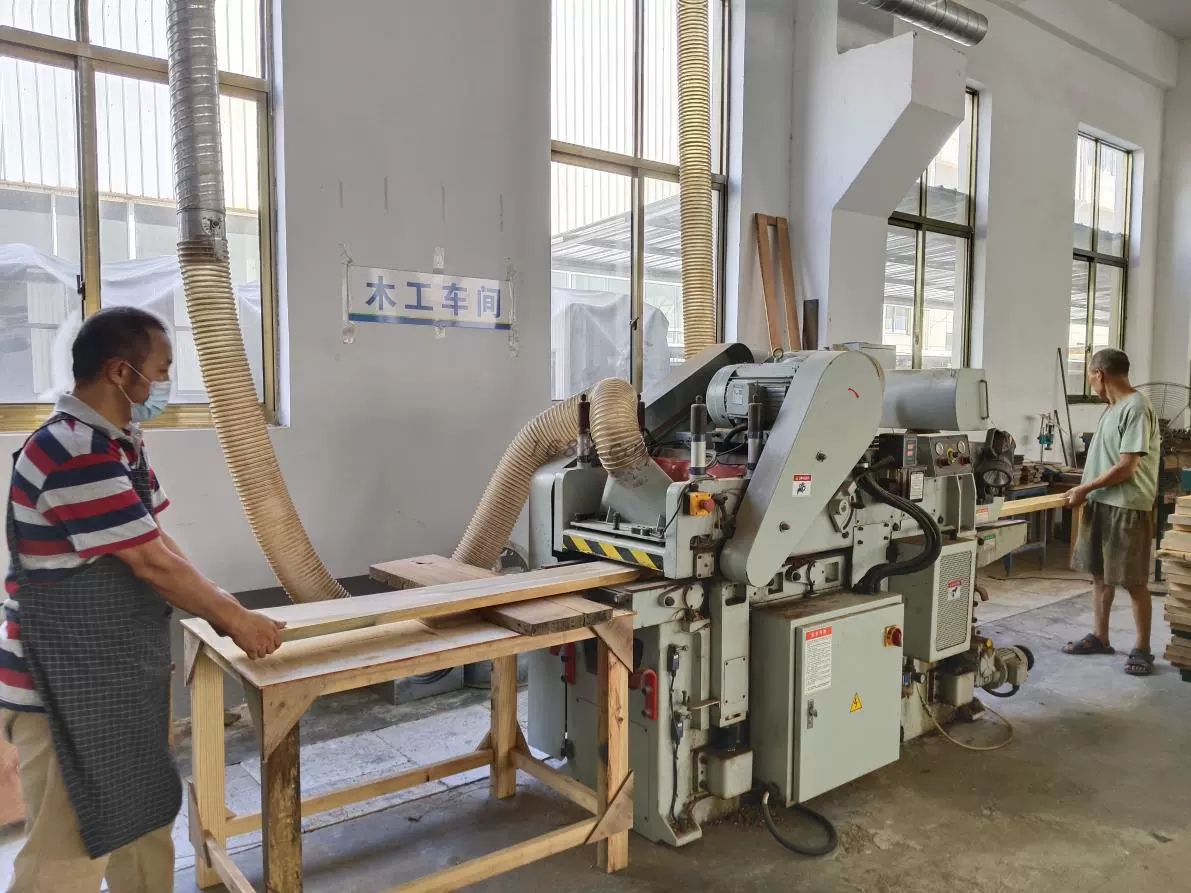
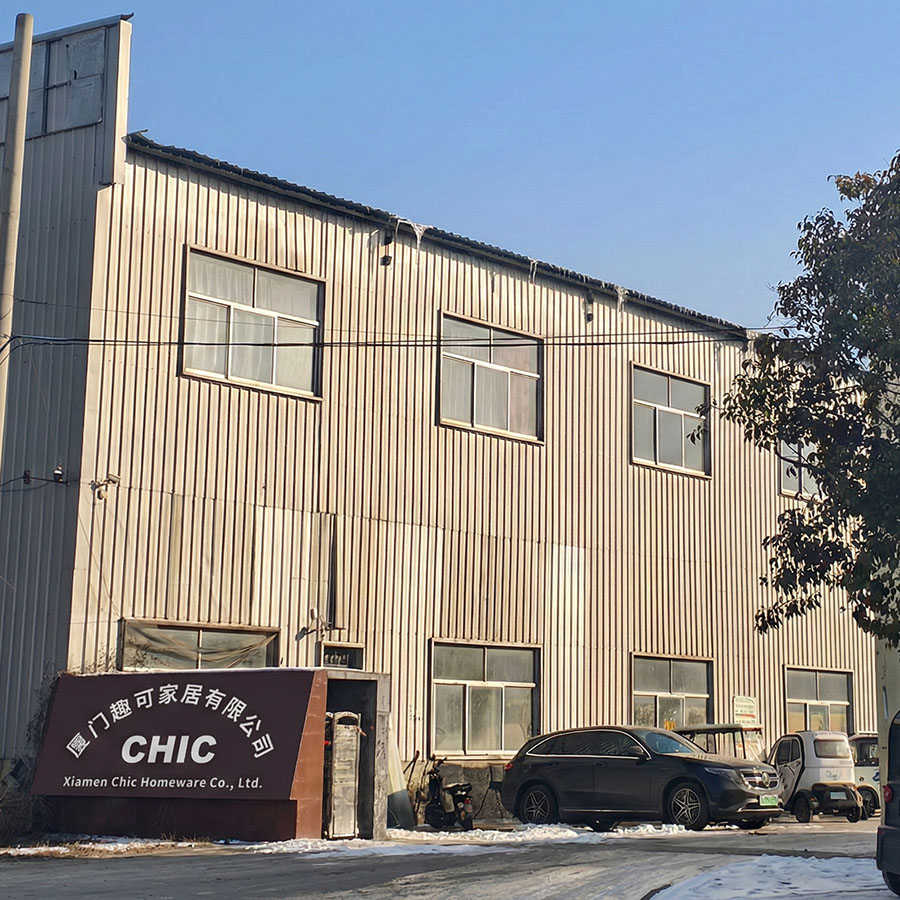
Many entities that present as factories online are actually trading companies or agents who sub-contract to whoever quotes lowest that week. The signs: no factory address listed, only WeChat communication, hesitancy to do video tours, no answer to specific production questions. Real factories will always show you their actual production line.
Frequently asked OEM/ODM questions
Can I take an ODM design from one factory to another for production?
Legally complicated and ethically gray. Most ODM catalog designs are owned by the factory that originated them — they are essentially shared between many buyers, but the IP belongs to the factory. Taking the design to a different factory for production is, in most cases, infringement. Better to license the design from the originating factory or commission an OEM equivalent.
Who owns the tooling I paid for in an OEM project?
Depends on the contract. Default in most factory quotes: the tooling stays at the factory and is dedicated to your account. You paid for it, but the physical tools live with us. For some buyers this is fine; for others (especially those concerned about supplier diversification), specify in the contract that you own the tooling and can move it. We support both arrangements.
How much should I expect to pay for a sample?
For ODM samples: $30-100 per unit, often refunded against production order. For OEM samples: $200-800 per unit because they involve building one-off jigs and tooling. For both, samples are not where the factory makes money — they are where the factory invests in the relationship.
Pick OEM when the form is the differentiator. Pick ODM when the brand is the differentiator. Pick hybrid when you want to ship this quarter without giving up the look you want.
There is no right answer in the abstract — there is the right answer for your product, your volume, your timeline and your budget. The factories that try to push everyone toward one approach (usually because it is the easier one to fulfill) are the factories that produce average results. The factories that listen to your situation and recommend the model that actually fits are the ones worth a long-term relationship.
Our default recommendation is to start with a small ODM run to build trust and test the market, then move to ODM-plus as you grow, then move to full OEM once your annual volume justifies dedicated tooling. Most successful product lines we have seen evolve through all three stages.